


Thinking about transforming your smile? Dental veneers are one of the most popular cosmetic dentistry treatments available today, and for good reason. They offer a natural-looking solution to chipped, stained, or misaligned teeth, helping you achieve a confident, radiant smile.
In this guide, we’ll walk you through everything you need to know about veneers: the key benefits, how the procedure works, and what to expect in terms of cost.
What Are Dental Veneers?
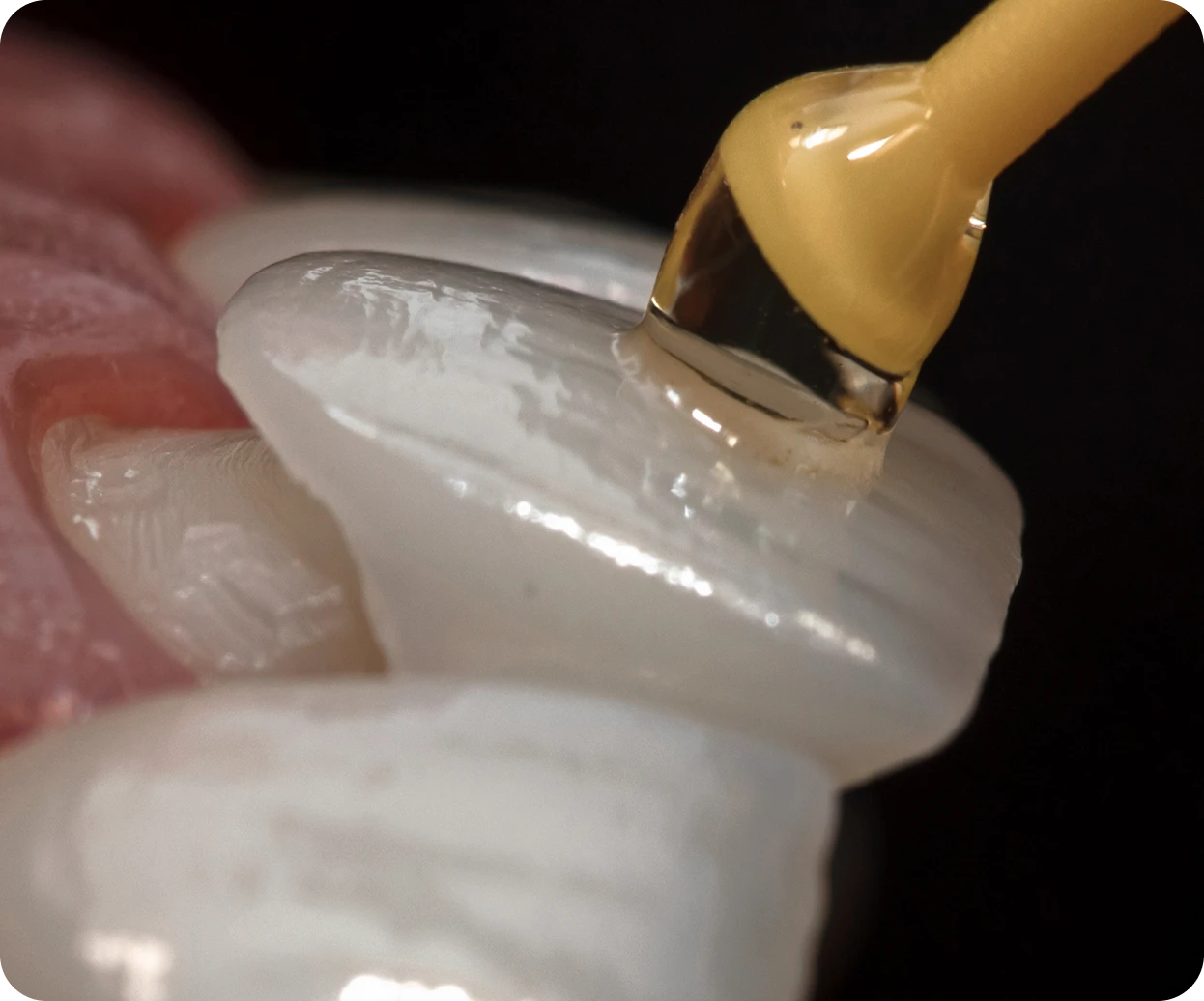
Dental veneers are thin, tooth-coloured shells that we attach to the front surface of teeth. These custom-made covers help address various cosmetic issues like chipped, discoloured, or smaller-than-average teeth. Veneers are typically made from porcelain or composite resin materials. It's worth noting that this cosmetic dentistry process usually requires some enamel removal to ensure proper bonding and fit.How Veneers Improve Appearance
Veneers can significantly improve your appearance by creating a uniform, whiter teeth. They help cover imperfections on your teeth, giving you a more confident look. They not only enhance the aesthetic, but also provide protective benefits. By covering damaged or worn enamel, veneers help improve the overall health and function of your teeth.What Are The Differences Between Dental Veneers And Crowns?
Both veneers and crowns are popular options in cosmetic dentistry, but they have some key differences:- Durability: Veneers last about 10–15 years with proper care, while crowns can last 15–30 years with good maintenance.
- Coverage: Veneers cover only the front surface of the tooth, whereas crowns encase the entire tooth.
- Cost: Veneers are generally less expensive, while crowns are usually more costly.
- Procedure: Veneers require minimal tooth preparation, while crowns involve more extensive tooth reshaping.
What Are The Different Types Of Dental Veneers?
Porcelain Veneers
Porcelain veneers are thin, custom-made shells crafted from medical-grade ceramic (porcelain) that are designed to cover the front surface of your teeth. They’re bonded to the teeth to improve their appearance in terms of colour, shape, size, or length.Pros
- Porcelain veneers offer exceptional longevity and resist staining remarkably well.
- They provide a natural appearance that can last 10 to 15 years.
- These veneers are carefully shaped to match your existing teeth for a more seamless look.
Cons
- The higher cost of porcelain veneers is a consideration for many patients.
- Once applied, the procedure is irreversible due to necessary enamel removal.
Composite Resin Veneers
Composite resin veneers are a type of dental veneer made from tooth-colored composite material (the same used for fillings and bonding). Instead of being crafted in a lab like porcelain veneers, they’re usually sculpted directly onto the teeth by the dentist in a single visit.Pros
- Composite resin veneers are a more affordable option with quicker application times.
- They can be easily repaired if minor cracks or chips occur.
- Like porcelain, these veneers are shaped to match your natural teeth, blending in beautifully.
Cons
- These veneers are less durable and may stain over time.
- You might need to replace them sooner than porcelain alternatives.
No-Prep Veneers
No-prep veneers are a type of dental veneer that, unlike traditional porcelain veneers, require little to no removal of natural tooth enamel before placement. They are ultra-thin, custom-made shells (often porcelain or a special type of ceramic) that bond directly to the front of the teeth.Pros
- No-prep veneers require minimal or no enamel removal, preserving your natural tooth structure.
- The application process is typically shorter, reducing your time in the dental chair.
- These veneers are shaped and placed to match your smile perfectly.
Cons
- No-prep veneers can sometimes appear thicker than other options.
- They're not the best choice for significant reshaping or colour correction.
Removable Veneers
Removable veneers (sometimes called snap-on veneers or clip-on veneers) are a non-permanent, cosmetic dental option designed to improve the look without altering your natural teeth.Pros
- Removable veneers are a cost-effective, non-permanent solution.
- They're excellent for special events or temporary improvements.
- We can shape these veneers to match your desired look for any occasion.
Cons
- These veneers may feel bulky and offer a less natural fit compared to permanent options.
- They don't provide long-term durability like other types.
Palatal Veneers
Palatal veneers (also called palatal onlays or palatal veneers restorations) are a special type of dental veneer designed to cover and protect the inside (palatal) surface of the upper front teeth rather than the front-facing (labial) side.Pros
- Palatal veneers address wear or erosion on the inside of your teeth.
- They protect your tooth structure and improve overall functionality.
- Our team can shape and place these veneers to match your bite perfectly.
Cons
- Applying palatal veneers requires specialized skills, which can increase the cost due to customization.
What Is The Dental Veneers Procedure Like?
Getting dental veneers involves several steps and multiple visits to your dentist. We'll walk you through the process, from your first appointment to the final adjustments. Let's explore how these custom-made shells are precisely crafted to give you the smile you've always wanted.1. Initial Consultation And Treatment Plan
Your journey begins with a consultation. During this visit, your dentist will check your oral health and chat about what you want to achieve. It's crucial that your teeth and gums are in good shape before moving forward. This is your chance to ask questions and share your goals.2. Minimal Enamel Removal And Impression
Next up, your dentist will prep your teeth by removing a thin layer of enamel. This step is necessary to make sure the veneers fit properly. After that, they'll take an impression of your teeth. This mould helps create veneers that match your tooth shape perfectly.3. Lab Fabrication And Custom Fitting
Once the impression is ready, it's sent to a lab where skilled technicians craft your custom-made veneers. They'll match the colour and shape to your existing teeth, ensuring a natural look. While you wait for your permanent veneers, you might get temporary ones to protect your teeth during this phase of the procedure.4. Bonding And Shaping Process
When your veneers are ready, it's time for the bonding process. Your dentist will carefully cement each veneer onto your tooth surface. They'll make adjustments to ensure the fit is spot-on. Using special tools, they'll shape the veneers and check your bite to make sure everything lines up correctly.5. Follow-Up Visits For Final Adjustments
After your first appointment with your new veneers, you might need a follow-up or two. These visits allow your dentist to fine-tune the shape and comfort of your veneers. Many patients find these check-ups helpful for getting used to their new smile. Remember to schedule regular care appointments to keep your veneers looking great for years to come.How Much Does Dental Veneer Cost?
Dental veneer cost on average from CAD $1,000 to CAD $2,000 per tooth for porcelain veneers. Composite veneers are usually less expensive, ranging from CAD $400 to CAD $1,500 per tooth. At Oralvie, we offer financing plans through Flexiti with 0% interest over 12 months. We’ll work with you to meet your financial needs.How to Care For Dental Veneers?
Daily Oral Hygiene Tips
Keeping your veneers clean is crucial for their longevity. Brush twice a day with non-abrasive toothpaste and pay extra attention to the gum line when brushing. Floss gently between your teeth and around the veneers, then use an alcohol-free mouthwash to rinse often. With proper care, your veneers can last for many years, maintaining their bright appearance.Regular Dental Checkups
To keep your veneers in top shape, schedule professional cleanings twice a year and have routine exams to catch any issues early. Let your dentist check the condition of your veneers and discuss any concerns you might have about your oral health. Regular checkups are generally quick and easy, including a thorough examination of your veneers and overall dental health.Protecting Against Damage And Stains
To maintain the natural colour and improve appearance of your veneers, use a mouth guard if you play sports or grind your teeth and avoid biting on hard objects like ice or pen caps. Limit coffee, tea, and red wine consumption, quit smoking to prevent staining, and rinse your mouth after eating or drinking staining foods.Repairing Or Replacing Worn Veneers
Over time, veneers may need attention. Watch for chips, cracks, or discolouration and contact your dentist if you notice any changes. Consider replacement if your veneers are worn out, and discuss different types of veneers with your dentist. Be ready for periodic evaluations to maintain your smile.Get Your Dental Veneer Appointment At Oralvie!
At Oralvie, we offer top-notch dental veneer services in Montreal, tailored to your needs. Our community-focused approach and flexible financing options make achieving your dream smile easier than ever. Ready to transform your look? Book your appointment online or give us a call today!Frequently Asked Questions About Dental Veneer
How Long Do Dental Veneers Typically Last?
Dental veneers usually last for 10 to 15 years with proper care. We recommend maintaining excellent oral hygiene and scheduling regular checkups to keep them looking their best. Porcelain options offer greater durability and resist staining better than composite alternatives.Are Dental Veneers Painful To Get?
Getting veneers typically involves minimal discomfort during the enamel removal process. Traditional options require more preparation, while no-prep veneers need little to no enamel removal. You might experience slight sensitivity, but it's usually manageable.Can Veneers Be Whitened After Placement?
Once placed, porcelain veneers can't be whitened. We suggest considering teeth whitening before getting veneers to achieve your desired shade. Composite veneers offer limited whitening potential, but regular maintenance helps preserve their appearance. During your initial consultation, you should discuss colour matching with your dentist to ensure a natural-looking result.What If I Grind My Teeth At Night?
If you grind your teeth, we strongly advise using a night guard to protect your veneers from damage. Regular dental check-ups are crucial for monitoring their condition. Persistent grinding can shorten the lifespan of your veneers. You may want to talk with your dentist about personalized solutions or explore alternative treatments suited to your needs.Table of contents
- What Are Dental Veneers?
- How Veneers Improve Appearance
- What Are The Differences Between Dental Veneers And Crowns?
- What Are The Different Types Of Dental Veneers?
- Porcelain Veneers
- Pros
- Cons
- Composite Resin Veneers
- Pros
- Cons
- No-Prep Veneers
- Pros
- Cons
- Removable Veneers
- Pros
- Cons
- Palatal Veneers
- Pros
- Cons
- What Is The Dental Veneers Procedure Like?
- 1. Initial Consultation And Treatment Plan
- 2. Minimal Enamel Removal And Impression
- 3. Lab Fabrication And Custom Fitting
- 4. Bonding And Shaping Process
- 5. Follow-Up Visits For Final Adjustments
- How Much Does Dental Veneer Cost?
- How to Care For Dental Veneers?
- Daily Oral Hygiene Tips
- Regular Dental Checkups
- Protecting Against Damage And Stains
- Repairing Or Replacing Worn Veneers
- Get Your Dental Veneer Appointment At Oralvie!
- Frequently Asked Questions About Dental Veneer
- How Long Do Dental Veneers Typically Last?
- Are Dental Veneers Painful To Get?
- Can Veneers Be Whitened After Placement?
- What If I Grind My Teeth At Night?
Related articles
Our articles can help you better understand our services and also inform you about various topics related to your dental health.
-
 Dental Insurance 3 min read
Canadian Dental Plan: Are You Eligible?
Good news for your smile. The way some dental care is covered has changed recently. If your situation has changed, you may stil...
Read more -
 Dental Health 11 min read
When Should A Child Go To The Dentist?
A child should see a dentist by their first birthday or within six months of the first tooth appearing. A child’s first denta...
Read more -
 Dental Health 13 min read
Teeth Grinding in Sleep: Causes and Solutions for Kids
Bruxism (teeth grinding) is a common phenomenon in children that occurs mainly during their sleep. You may have noticed these c...
Read more
We can help you if you book today!
Schedule online now or call us with any questions.