


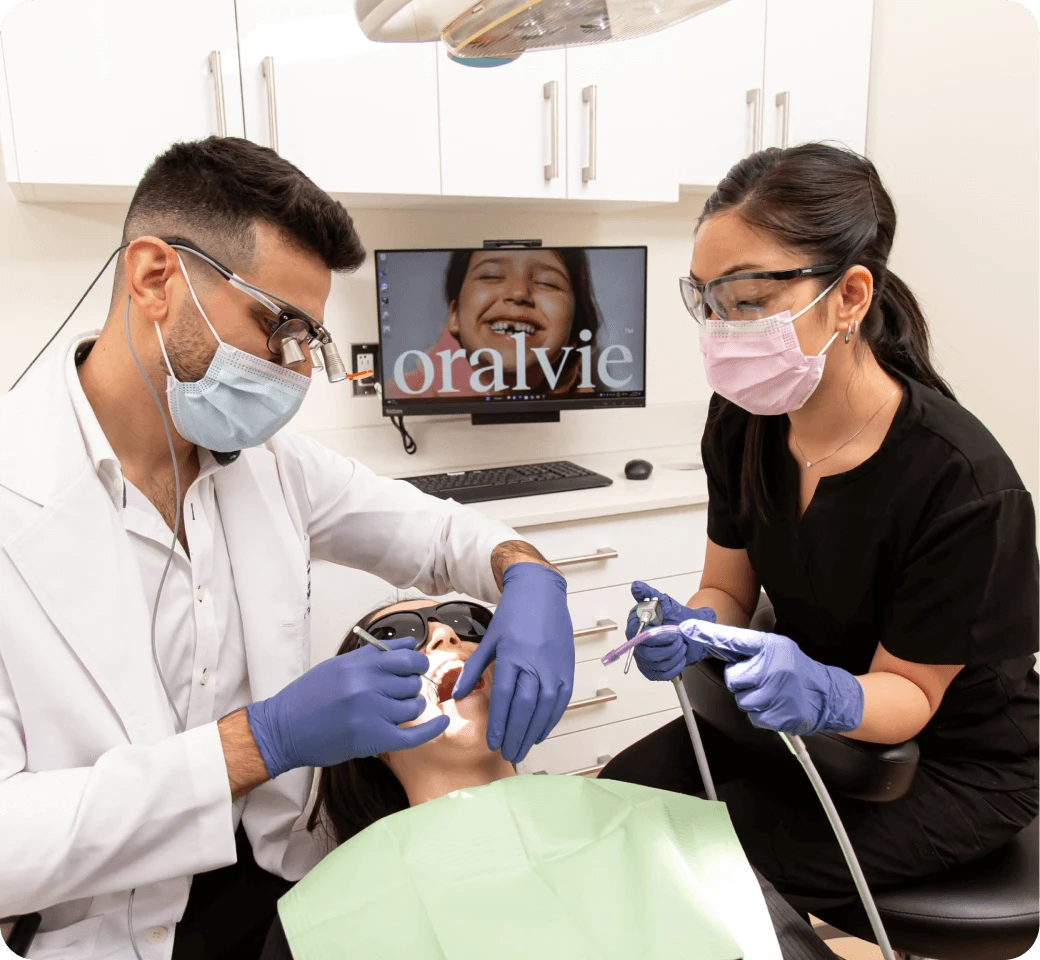
A child should see a dentist by their first birthday or within six months of the first tooth appearing. A child’s first dental visit is an important step in building healthy habits early and supporting long-term oral health. Understanding the recommended timeline, why early care matters, and how preventive visits help protect developing teeth can make the process feel clearer and more reassuring for both children and caregivers.
Why Waiting Until Kindergarten Can Miss Early Problems?
Postponing dental visits until your child reaches kindergarten age might seem reasonable, but this delay can allow important issues to go unnoticed during critical developmental years. Children's teeth and jaws are developing rapidly during their first few years, and problems that start small can grow into significant concerns without professional monitoring. Early childhood tooth decay, for instance, may begin affecting teeth soon after they erupt, and without regular check-ups, this decay can progress silently. What makes early detection so important is that dentists can spot warning signs that parents might not recognize at home. Tooth eruption patterns, bite alignment, and enamel development all require trained observation to assess properly. When we bring children in regularly from an early age, dental professionals can track these factors and intervene before issues escalate into painful or costly problems. The consequences of waiting extend beyond just physical concerns. Kids who don't visit the dentist until they're older may already be experiencing discomfort or visible damage, which can make that first appointment stressful and unpleasant. By contrast, children who attend regular appointments from infancy view dental visits as a normal, non-threatening part of life. This early familiarity prevents the development of dental anxiety that can persist into adulthood.How Often Kids Should Go To The Dentist After The First Visit?
Once you've completed that important first dental appointment, we recommend bringing your child back every six months for routine check-ups. This twice-yearly schedule has become the standard because it strikes the perfect balance between catching problems early and avoiding unnecessary appointments. Regular visits at these intervals allow the pediatric dentist to monitor your child's oral development, clean their teeth professionally, and apply preventive treatments like fluoride when needed. Consistency with these appointments delivers benefits that extend far beyond just checking for cavities. Kids who attend dental visits on a predictable schedule develop positive associations with oral care and learn that taking care of their teeth is a normal part of staying healthy. These regular interactions help reduce anxiety because your child knows what to expect and builds trust with their dental team over time. The preventive power of frequent check-ups can't be overstated. Tooth decay progresses much more rapidly in baby teeth than in adult teeth, so catching it at the earliest stages makes treatment simpler and less invasive. When dentists see your child every six months, they can spot tiny areas of concern and address them before they turn into full-blown cavities requiring fillings or more extensive procedures.How Often Should Children Go To The Dentist By Age
Babies From Birth To 12 Months
We recommend that babies have their first dental visit by age 1, or within 6 months after the first tooth erupts, whichever comes first. After the first visit, babies typically follow:- Every 6 months for routine dental checkups (similar to older children and adults)
- More frequent visits only if recommended by the dentist based on risk factors (early decay, feeding habits, medical conditions, etc.)
Toddlers Ages 1 To 3
Building on that foundation established in infancy, your toddler should continue visiting the dentist every six months throughout these formative years. These regular appointments are the perfect time to monitor the health of those baby teeth, which play a more important role than many parents realize. The dentist will watch for developing habits like thumb-sucking or pacifier use that could affect tooth alignment down the road. At Oralvie, our pediatric dentists can provide behavior management strategies tailored to your child's temperament, making each visit a positive experience. During these ages, we'll also discuss proper brushing techniques and the right amount of toothpaste to use, about the size of a grain of rice for children under three.Preschoolers Ages 3 To 5
As your child transitions from toddlerhood to the preschool years, maintaining those six-month checkup intervals becomes even more important. During early childhood, dentists are monitoring how diet and sugar intake might be affecting your little one's teeth, since cavities can develop rapidly at this age. These visits give us the chance to reinforce good brushing techniques and make sure your preschooler feels comfortable in the dental chair. They’ll perform a thorough cleaning to remove plaque buildup that home brushing might miss.Kids Ages 6 To 12
Once your child enters the school-age years, those twice-yearly dental exams take on additional significance as primary teeth begin giving way to permanent ones. They’ll carefully track this development to identify any concerns with how adult teeth are emerging and positioning themselves. During each exam, dentists check for cavities, assess gum health, and watch for signs that orthodontic intervention might be needed down the road.Dental Visit Schedule For Teens
Continuing those established six-month visits through the teenage years is just as important as it was during childhood, though for different reasons. Adolescence brings rapid changes in oral health, from the eruption of wisdom teeth to the common need for braces or other orthodontic treatments. For teens going through orthodontic treatment, these regular appointments become even more critical for monitoring progress and preventing decay around brackets and wires. In many cases, dentists will begin assessing wisdom teeth development around age sixteen or seventeen to determine if extraction will be necessary.What Are The Factors That Affect When to Visit a Children Dentist?
Understanding the right time to schedule your child's dental visit depends on several key factors that we'll explore together. These considerations help you make informed decisions about your little one's oral health care.Signs Your Child May Be At Risk For Early Tooth Decay
Recognizing early warning signs helps you take action before problems become severe. Watch for these indicators that your child may need pediatric dental attention sooner rather than later:- Frequent complaints of tooth sensitivity
- Visible plaque buildup that appears on teeth surfaces
- High intake of sugary foods or drinks throughout the day
- History of poor brushing habits or resistance to oral care
Feeding And Drinking Habits That Increase Cavity Risk
The way your child eats and drinks plays a major role in their dental health.- Going to bed with a bottle containing milk or juice
- Frequent sugary drink consumption that bathes teeth in sugar
- Prolonged bottle or sippy cup use beyond recommended ages
- Snacking often throughout the day, which gives bacteria less time to clear
How Family History Can Affect A Baby's Mouth
According to dental research, your family's oral health history can significantly influence your young child's cavity risk. Look at these hereditary factors to know if your baby might need earlier professional care:- Parents' or siblings' history of tooth decay at a young age
- Weak enamel or genetic conditions affecting tooth development
- Early tooth loss in immediate family members
- Inconsistent family oral hygiene routines that become learned behaviours
Medical Needs And Medications That Can Raise Risk
Some children require extra attention due to medical factors that affect their oral health.- Long-term medication that reduces saliva flow and protective properties
- Chronic illnesses affecting immunity and healing capacity
- Special needs requiring frequent check-ups to meet developmental goals
- Use of inhalers or syrups containing sugar that coat teeth regularly
When To Call The Dentist Right Away?
Tooth Pain, Swelling, Or Fever
These symptoms, especially when accompanied by fever, signal that something needs immediate attention. Contact your dentist right away, don't wait to see if the problems resolve on their own. Severe pain could indicate an abscess or infection that requires urgent treatment. While fluoride treatments and good home care help prevent many issues, they can't fix an emergency that's already happening. Your little one shouldn't have to suffer without professional help, so ask your dental office about same-day emergency appointments. Quick action can make the difference between a simple treatment and a more complex procedure down the road.Broken, Chipped, Or Knocked Out Teeth
When an accident happens and a tooth gets broken, chipped, or completely knocked out, time becomes your most valuable asset. Rinse the affected area gently with warm water and apply a cold compress to reduce swelling. If you're getting a permanent tooth that's been knocked out, handle it by the crown (not the root) and try to place it back in the socket if possible. For children under six years old, this usually means a baby tooth is involved, but that doesn't make it any less important to seek care soon. Even a small chip can have sharp edges that cut the tongue or cheek, and any break in the tooth's structure means bacteria can enter more easily. Schedule an appointment immediately, preferably within 30 minutes to an hour for knocked-out permanent teeth, to give your child the best chance of saving the tooth.White Spots, Brown Lines, Or Holes
While traumatic injuries are obvious emergencies, certain visual changes on teeth also require prompt evaluation. White spots, brown lines, or visible holes are warning signs you don't want to ignore. These markings often appear on the tooth surface within weeks or months of decay beginning, signaling that demineralization is taking place. Teach your child to use their toothbrush properly twice daily, but understand that brushing alone may not reverse existing damage. You want to catch these issues before they become full-blown cavities that reach the nerve. Healthy enamel should look smooth and uniform in colour, making any discoloration worth investigating. Making dental care fun and routine helps children stay engaged, but when you spot these visual cues, professional intervention becomes necessary.Bleeding Gums, Mouth Sores, Or Bad Breath
Just as visual changes on teeth warrant attention, symptoms affecting the gums and soft tissues shouldn't be overlooked. Persistent bleeding when your child brushes, recurring mouth sores, or chronic bad breath that doesn't improve with regular cleaning can indicate underlying infections or early gum disease. These signs often point to problems that home care alone cannot prevent or resolve. Your dentist or hygienist can assess whether inflammation, bacterial buildup, or other issues are at play.Book Your Child's First Dental Checkup With Oralvie!
Worried about your child's first dental visit? At Oralvie in Montreal, we make the experience comfortable and positive with our child-friendly playroom and caring approach. We believe early dental care shouldn't be stressful for you or your little one. Book their appointment today and receive complimentary X-rays during their first visit. You can easily schedule online or by phone, with flexible financing options available at 0% interest over 12 months.Frequently Asked Questions About When Should A Child Go To The Dentist
Should My Baby Go To The Dentist If They Only Have One Tooth?
Yes, your baby should visit a dentist after their first tooth appears. We recommend scheduling an appointment within six months of the first tooth erupting or by their first birthday. Early dental visits help track how teeth develop and catch possible concerns before they become problems. Dental professionals can spot signs of early childhood decay that might go unnoticed.How Often Should A Child Go To The Dentist If They Have No Cavities?
We recommend bringing your child for dental check-ups every six months, even without any visible cavities. Regular visits allow us to monitor tooth development and spot potential issues early. Consistent dental care helps maintain healthy teeth and gums throughout childhood. Your dentist can provide preventive treatments that keep your child's smile cavity-free.Is Fluoride Toothpaste Safe For Toddlers And How Much Should I Use?
Fluoride toothpaste is safe for toddlers when used properly. For children under three years old, use just a tiny smear (about the size of a rice grain) on their brush. Kids aged three to six need only a pea-sized amount of toothpaste. Fluoride works by strengthening tooth enamel and making teeth more resistant to acid attacks from bacteria.What Happens If My Child Is Scared Of The Dentist?
Starting dental visits early helps your child become comfortable with our office environment. The unfamiliar sounds and equipment can seem less scary when introduced gradually through positive experiences. Talk with a pediatric dentist about your child's specific fears. Pediatric dental teams have special training in working with nervous children and can use age-appropriate language to explain procedures.Table of contents
- Why Waiting Until Kindergarten Can Miss Early Problems?
- How Often Kids Should Go To The Dentist After The First Visit?
- How Often Should Children Go To The Dentist By Age
- Babies From Birth To 12 Months
- Toddlers Ages 1 To 3
- Preschoolers Ages 3 To 5
- Kids Ages 6 To 12
- Dental Visit Schedule For Teens
- What Are The Factors That Affect When to Visit a Children Dentist?
- Signs Your Child May Be At Risk For Early Tooth Decay
- Feeding And Drinking Habits That Increase Cavity Risk
- How Family History Can Affect A Baby's Mouth
- Medical Needs And Medications That Can Raise Risk
- When To Call The Dentist Right Away?
- Tooth Pain, Swelling, Or Fever
- Broken, Chipped, Or Knocked Out Teeth
- White Spots, Brown Lines, Or Holes
- Bleeding Gums, Mouth Sores, Or Bad Breath
- Book Your Child's First Dental Checkup With Oralvie!
- Frequently Asked Questions About When Should A Child Go To The Dentist
- Should My Baby Go To The Dentist If They Only Have One Tooth?
- How Often Should A Child Go To The Dentist If They Have No Cavities?
- Is Fluoride Toothpaste Safe For Toddlers And How Much Should I Use?
- What Happens If My Child Is Scared Of The Dentist?
Related articles
Our articles can help you better understand our services and also inform you about various topics related to your dental health.
-
 Dental Insurance 3 min read
Canadian Dental Plan: Are You Eligible?
Good news for your smile. The way some dental care is covered has changed recently. If your situation has changed, you may stil...
Read more -
 Dental Health 13 min read
Teeth Grinding in Sleep: Causes and Solutions for Kids
Bruxism (teeth grinding) is a common phenomenon in children that occurs mainly during their sleep. You may have noticed these c...
Read more -
 Dental Health 10 min read
White Marks On Milk Teeth: Ways To Keep Your Child’s Smile Strong
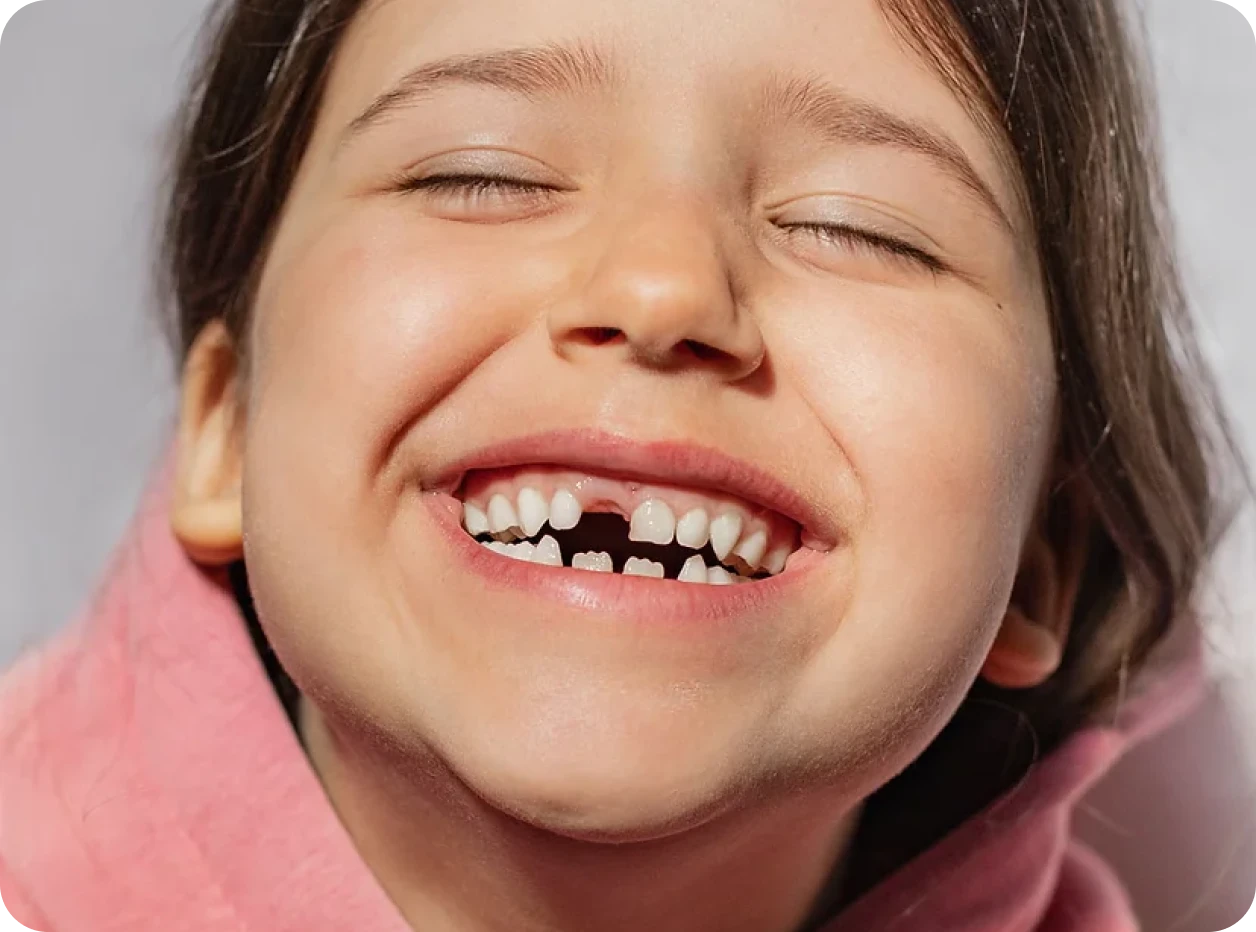
White spots on your child's baby teeth can signal early decay or fluorosis from too much fluoride. Decay spots typically form n...
Read more
We can help you if you book today!
Schedule online now or call us with any questions.